Machine learning is a fast-growing technology that has revolutionized the entire computing sector and brought major advances in many fields, from industrial automation to medicine. In this article, we look at what machine learning is, how it works and how it is used in different contexts.
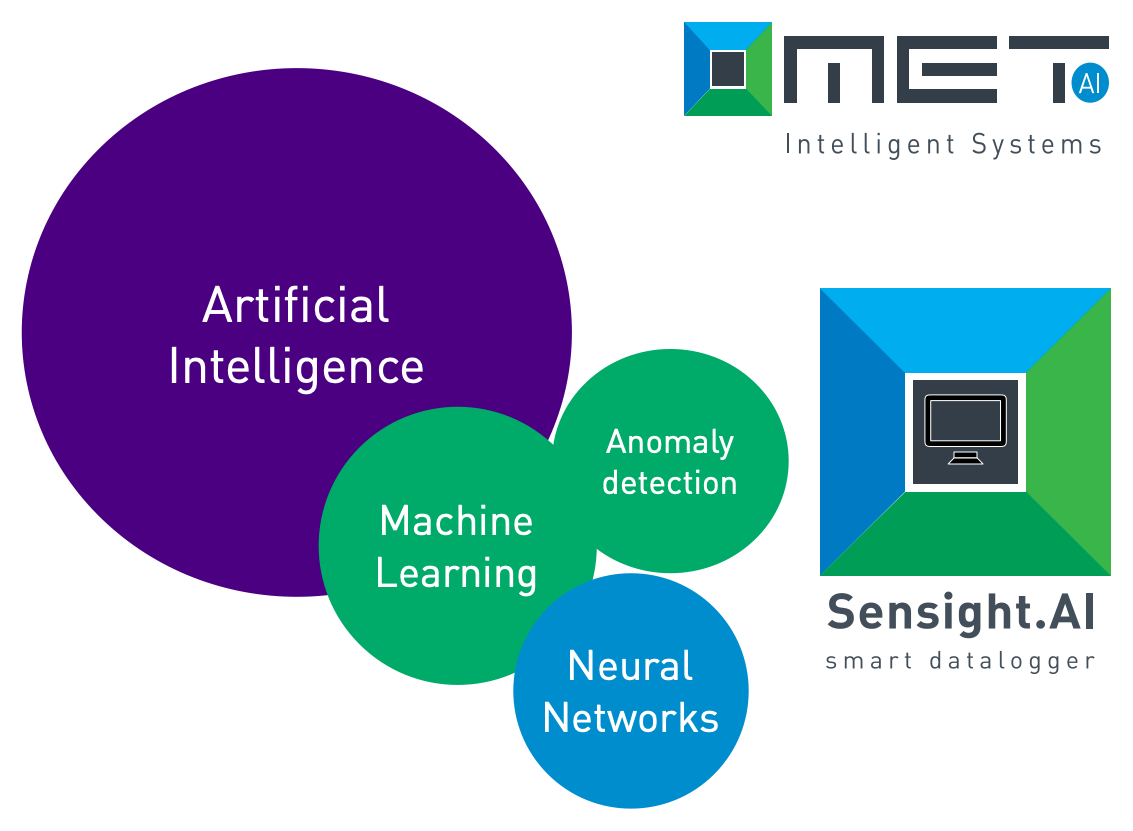
Machine learning is a branch of artificial intelligence (AI) that allows computers to learn from data and improve their performance on a given task through experience. Instead of manually programming a computer to carry out a specific activity, machine learning uses algorithms and mathematical models to adapt to the data and continuously improve its ability to perform the assigned task.
There are three main types of machine learning: supervised, unsupervised and reinforcement learning. In supervised machine learning, the model is trained on a data set with known labels (a training data set) and uses this information to make predictions on new data. In unsupervised machine learning, the model is trained on a data set without labels and tries to find patterns or clusters in the data. In reinforcement learning, the model is trained to make decisions based on the feedback it receives while interacting with its environment.
Machine learning is used in many fields, including computer vision, chatbots, data analysis, cybersecurity and finance. For example, computer vision uses machine learning to recognize objects and faces in images, while chatbots use it to understand natural language and answer users’ questions. In data analysis, machine learning is used to identify trends and anomalies in data, while in cybersecurity it is used to detect suspicious or unauthorized activity on the network. In finance, machine learning is used for risk and fraud analysis, as well as for forecasting stock prices and market trends.
Training a machine learning model requires a large training data set and an optimization process to achieve the best results. Many machine learning algorithms are available, including decision trees, neural networks, support vector machines and deep learning. Each of these algorithms has its own advantages and disadvantages, and the choice depends on the specific needs of the application.
Machine learning also presents some challenges, such as the need for large amounts of high-quality training data, choosing the right algorithm, interpreting the results and keeping data secure. Data privacy must also be considered, since machine learning often requires the use of sensitive data, such as personal or financial information.
Despite these challenges, machine learning has the potential to deliver highly accurate results and significantly improve the efficiency and accuracy of automated activities. In addition, continuous learning allows models to adapt to changes in their environment and steadily improve their performance.
In conclusion, machine learning is a constantly evolving technology that offers many opportunities to improve automated processes in many sectors. With a wide range of applications and algorithms available, it offers multiple ways to improve efficiency, accuracy and data security. However, it is important to consider the challenges and ethical implications of using sensitive data, and to take data privacy into account throughout the development and implementation process. Used with care and responsibility, this technology can bring major advances and benefits in many fields.